Blog Feed
If you think you can do a thing or think you can’t do a thing, you’re right.
— Henry Ford.
February 2, 2020
Freedom. Identity. Courage. Explosions. The engine roars and the exhilaration of freedom immediately overtakes my senses. I operate a miracle machine. One that is thousands of pounds and contains thousands of mutually dependent moving parts. I am at the helm of American ingenuity, I am driving. Driving has and always will be my symbol for freedom. The sight of the open road, the power, the acceleration, and the wind rushing over the vehicle all encompass this feeling. But driving is more than just freedom, driving is part of my identity, and thus so is my car. My vehicle is more than a tool, it is an extension of who I am, and a physical representation of my identity.
The year is 2019. I am starting my 4th semester of college, I am surrounded everyday by people I love and I have the pleasure of driving a 2016 Ford Mustang EcoBoost, getting about 30 miles per gallon. One might describe my outlook on life at this point as “perfectly content”, and I was. I was perfectly satisfied with where I was at, but I don’t seek satisfaction. I seek experience, and a driving experience that I can be proud of. One that tests me, exhilarates me, and a vehicle that is an extension of my identity, not just a car that I drive from A to B. It has always been my dream, from my earliest memory, to own a classic Ford Mustang. The sound of the V8 engine, the sleekness, the iconic prestige that such a vehicle carries, the American history behind the car, all of these qualities appealed to me, so, in March of 2019, I decided to sell my paid off, 2016 Mustang, and leave behind my perfect contentment. My car sold quickly, within maybe a week of posting on Craigslist. Finally, after what felt like an eternity of searching, on April 10, 2019 I purchased a 1966 Ford Mustang with the original small block Ford 289 under the hood. I traded a comfortable ride and impressive gas mileage for a 53 year old vehicle who showed her age driving over the slightest of potholes and got 9 miles per gallon on a good day. Looking back on this day almost a year later and the journey I have been on, I can honestly say that this was one of the best decisions that I have made in my 21 years of life. Prior to this journey, I had only surface level knowledge about vehicles, and through trial by fire, good friends, and some road trips that left me stranded, I gained an experience and the know how that will last me a lifetime. Through this blog, I will share with you what it’s like as a starving college student with such a vehicle, and all the tips and tricks that I’ve learned along the way. This will be a place where you will learn to save money, to make repairs yourself, to laugh and learn from my own mistakes, and where you will (hopefully) learn the value of a classic ride.
February 9, 2020
“Being challenged in life is inevitable, being defeated is optional”
-Roger Crawford
Challenges. We all face them, but it is how we overcome them that defines us. To say that I was challenging myself when I decided to purchase a 53 year old daily driver, would be the understatement of the history. However, I embrace challenges on the daily, and have grown into a much more well rounded individual than I was a year prior. If I could go back, knowing I’d face all the adversity again, I wouldn’t hesitate to do so.
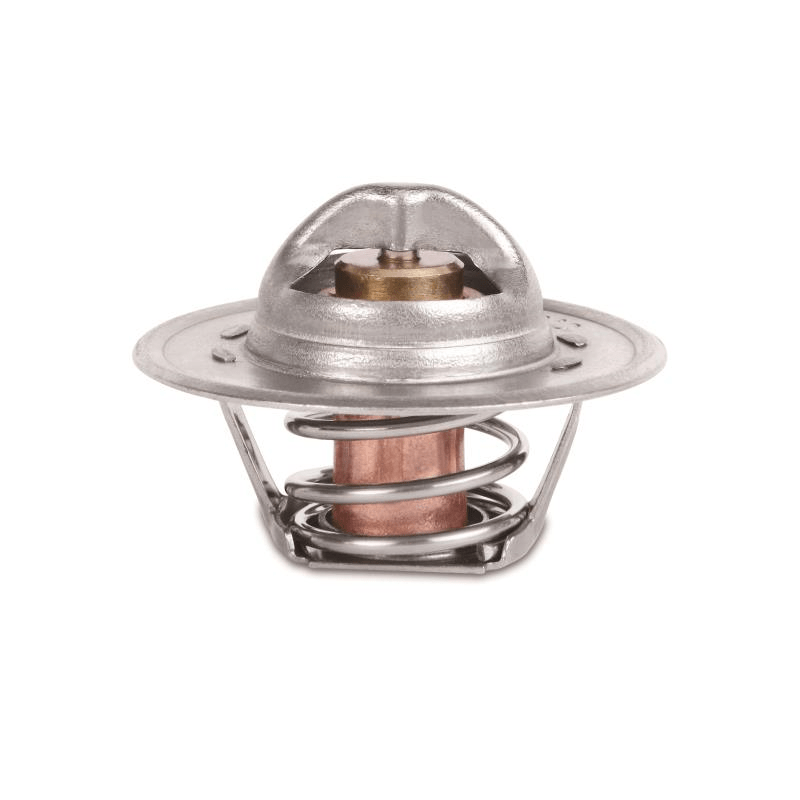
The first challenge I faced, which you undoubtedly will as a potential classic car owner, is the issue of overheating. We often take for granted the capability of modern cars, even those built in the 80s and 90s, to manage heat. An internal combustion engine is more or less a giant air pump, containing hundreds of violent explosions every minute. Needless to say, it gets HOT. In today’s vehicles, there is a computer which sends precise readings on current temperatures, RPMs, and overall health of the engine to electrical pumps. These electrical pumps keep the engine and other components in equilibrium. Older cars relied on purely mechanical pumps. These pumps function by a pulley, if this pulley spins, these pumps work, but herein lies a problem: without precise reading of things like temperature, these mechanical pumps just continue to function as if the engine, its RPM, and the heat it is producing isn’t changing. So therefore, whenever you are stuck in traffic, at a red light, or just idling in your driveway these older engines tend to overheat. To safeguard against this, older vehicles have a mechanical thermostat (pictured below). When these thermostats reach a certain temperature, the open up, allowing for water to flow through, cooling the engine block. These are contained usually at the end of the upper radiator hose, located at the top of the engine block. If these thermostats fail, they get locked in either the opened or closed position. If locked in the open position, your engine will be over-cooled, which is actually a great thing. However, if they are stuck in the shut position, your engine will overheat quickly.
When I first purchased my 1966 mustang, it was completely stock mechanically, almost untouched other than regular maintenance for 53 years. I, like many car enthusiasts, was attracted by this, but when I began my 2 hour drive home, I didn’t take into consideration that my thermostat may have failed at some point. With 30 minutes left in my 2 hour maiden voyage, my upper radiator hose burst. I patched it quickly, and limped my way to my dorm. Then, on Easter Sunday, on the same highway, my entire radiator exploded. The thermostat had been locked in the shut position causing massive amounts of pressure. After a $150 tow back into town, and $350 radiator and cooling kit, I was road worthy again. So, I plead to you, REPLACE YOUR THERMOSTAT in your classic vehicle, it will save you time and money.
February 16, 2020
Buying a classic car is a gamble. A lot of times these cars have been through hell and back, more than a time or two, odometers have maxed out and looped over, decades have passed, and generations have grown up in the back seat. There are years and years of use, abuse, and juice under the hoods of most of these cars, and unless they were taken care of, buying a classic car, without knowing what to look out for, could mean bad news bears for you or whoever can call themselves the next owner. Sometimes, previous owners will spend the easy bucks making a car barely roadworthy and cover it with the biggest, most shiniest band-aid ever: a new paint job.
In this post I am going to highlight to you, in list form, the signs you should be aware of when purchasing a classic car to be your DAILY DRIVER. Show cars, touring cars, and race cars, all have different stories. If you’re like me, you don’t have the time or money to drop on a vehicle to make it showroom or competition ready. So, sometimes the glaringly obvious upgrades like paint and interior, may take a back seat (pun intended) because they’re merely aesthetic.
In my list I will highlight what to look out for, how important it is, and how much it impacts the value of your investment. I will then rank repairing or replacement of the part/area based on two criteria:
Buy or don’t Buy (B/DB): meaning if this part is faulty or failing, is it still worth purchase?
Ranked from 1-10 (1 being walk away immediately, 10 being bring out the checkbook)
Cost to repair (C2R)
Ranked from 1-10 (1 being totalled, 10 being weekend project)
Below are some of the most important things to look for when purchasing a classic car:
Frame Damage
Sometimes the frames have been patched, but nevertheless frame damage means a serious wreck or modifications STEER AWAY
B/DB- 2
C2R- 2
Rust
Unless you’re looking at an original California or Texas vehicle, these classic autos will surely have rust. Check over the rear fenders and door seals especially.
B/DB-6
C2R-3
Powertrain
The powertrain on a classic auto has likely seen its fair share of abuse over the years. The powertrain consists of the engine and the transmission. Heavy modification, unless done correctly, could also spell bad news, look at these closely.
B/DB-5
C2R-1
Headliner
Easily the most expensive repair on the interior side of things.
B/DB-8
C2R-3
Suspension
The suspension has also likely seen a lot of wear and tear. A failing suspension doesn’t have to be addressed immediately, but should be looked at.
B/DB-7
C2R-8
Brakes
Brakes are obviously a major safety concern on older vehicles, check them thoroughly.
B/DB-6
C2R-6
Starter
The starter is one of the first things to fail on older vehicles, and difficult to diagnose immediately. These can be costly to pay a shop to replace, but relatively cheap to purchase
B/DB- 7
C2R- 4
Wiring
Faulty or old wiring can really provide for a major safety concern. Lots of old cars have been turned into rolling death traps by weekend garage warriors with lots of time and zero knowledge. Bad wiring can turn your dream car into a fireball on wheels. Ask the seller about the condition of the electrical, and if it has been replaced, ask for a receipt.
B/DB- 2
C2R- 2
February 23, 2020
What’s the best thing about owning a classic car?
Although the answer to this question may seem obvious, it is something that I often sit back and ponder. I mean, how blessed am I that I get to drive a piece of machinery like the one I do? Sure, driving a car like this is fun, it sounds great, I get all the looks from the girls, but believe it or not, by far the coolest thing about owning a classic car is the stories and conversations that it generates. There have been countless stops at gas stations, or at stoplights where both old and new timers alike stop me to tell me about the one their uncle or grandpa owned back in the day. In a world that seems increasingly divided on even the most simple of topics like whether a dress is blue and black or white and gold, the correct answer being the former if you were wondering, it’s nice to have something that is universally bonding, and in my experience that has been a classic Mustang. It’s rewarding, to say the least, to put a smile on a stranger’s face or to just sit and talk with whoever will listen. I’ve been privileged to drive a 2016 mustang in the past, and while I would get the occasional “hey nice car bro” I would never get a full-fledged story or a request to “start ‘er up!” It’s an interesting feeling for sure, but one that is extremely rewarding as well, I wouldn’t trade it for the world.
Sitting in a 53 year old vehicle I really do feel as if i’m sitting in a piece of history. Sometimes I’ll sit in the driver’s seat and just ponder, ponder on what kind of conversations were had in this spot in the past. What kind of heartbreak, stories, memories, and fun times were shared in the very same spot. As I pass by older people or even some my age that share these stories, I feel like a giant puzzle is being built. The puzzle of this car’s history, its timeline. The first run of Ford Mustangs sold in unprecedented numbers, filling 1 million american driveways almost instantaneously, and it shows. Almost everyone I meet has a story, and I’m eager to listen.
As a result, I feel almost convicted to start a sort of plaque. A plaque that would sit in the back seat that I could have people who share with me a story of that old car way back when sign. The amount of unique signatures that could fill up this plaque in only a matter of days I feel could be astounding. Vehicles, or really anything for that matter, just aren’t really built to last like they were back then, and as long as these stories live, so will these cars that they remember. With this plaque, legends like “that one 65’ model Ford with race red paint and white lemans stripes” will live on forever.
Let me know in the comments below if this is something I should do! Also, follow my social media!
Instagram: @blue66mustang
Twitter: @blue66m
March 1st, 2020
How to save money with classic autos
We all know that all things car related can be quite expensive. When thinking about the topic of this post, I scrolled through my Excel file that I keep on my car, totaling all the upgrades and costs related to my vehicle, and believe me, it was a doosey. All hobbies require some sort of upfront expenditure obviously, but as an average human being, and especially as a college student, I will never [ass on the opportunity to save where I can. That being said, and full disclosure, I do not recommend under ANY circumstances buying cheap parts, taking short cuts, or leaving things out. Anything mechanical needs to be taken seriously and with great importance. It’s extremely important to take your time and do things the right way, even if it means a bigger dent in the pocket book.
Now, that being said, there are plenty of ways that you can save money when owning a classic auto, and I plan to go through a few of them that I have learned.
- Number 1, and probably the biggest source of saved cash for me: Do your own labor where you can.
- My knowledge of cars was sparse to say the least when I got into this life, but I have learned immensely along the way from YouTube or Google searches, and was able to do major projects with a buddy and a wrench. I tackled things like removing the engine, replacing wiper motors, breaking down and reassembling the motor, and many other side projects all with relatively no help. On the extreme low end of the spectrum, auto shops charge $60 per hour of labor, with a one hour minimum, on top of the price of the parts. So, installing a $20 wiper motor, ends up being an $80-$100 dollar investment. With a quick Google search, a twist of a wrench, and about 2 hours on a weekend I installed the wiper switch myself for only the price of the part, $20. The savings are even more noticeable for big projects like engine rebuilds. Instead of a $5,000+ job for a shop to take out the engine, break it down, rebuild it, and put it back in, I took out the engine and broke it down myself, and had the shop do all the machining. I still got professional work done, but learned a lot in the process and for a fraction of the price (right around $1500).
- Number 2: STICK TO THE NAME BRANDS
- Yes, name brands like Edelbrock, Ford Performance, and Holley are going to cost more in the short term, but this is due to their reliability and features that products from companies like that come with. These are trusted brands that spit out trusted products, and in the automotive world you truly get what you pay for. Save your money LONG TERM and buy a part that will last, rather than the Chinese one that you’ll end up just replacing 6 months from now from the better brand.
- Number 3: Keep receipts, make a spreadsheet, and budget
- Organize your spending. It;s easy to lose track of the little purchase, and those add up. Prioritize your repairs, budget, and keep track of what you spend. Your organization will help you in the future, and make life much easier for you should you choose to sell in the future.
Obviously our hobby is expensive, but it doesn’t have to be outrageous. I live by the rules above, and maybe you should too. Your new money saving tactics and organization might even help sway the lady in your life to get on board with your next automotive project.
March 22, 2020
Popular Questions I Get Asked about Owning a Classic Car
It’s 2020. Most of the things we see on the road are all shaped the same and come in only a few basic types: SUVs, coupes, and pick-up trucks. So it goes without saying that any vehicle that doesn’t fit one of these categories sparks up some conversation. I thought it might be interesting to share a few here….
- Gas Mileage
- Interestingly enough, when I first purchased my Mustang, I had no idea how much gas I had. There was a problem with the fuel tank sending unit and the constant voltage regulator (parts from two totally different sectors that help the car run) and I had to just guess. I would fill the tank up, check the odometer, and when it would run out of gas, I’d check the odometer again, and do some math. Along with sending units and regulators, age is also a factor in determining the mileage of a vehicle. Even a fully functioning car will lag in efficiency if it has some age. Carbon build up in the engine restricts a lot of air, causing it to work overtime, and thus use more gas. When I bought the vehicle, in its old age and original engine, I was getting about 8 mpg ON A GOOD DAY. Now, after I’ve rebuilt the engine AND converted to a 4 bbl carburetor (which uses more gas) I get about 13 mpg. Moral of the story being: don’t be afraid to get a classic car because of poor mpg, it’s not really that bad.
- How much
- Classic cars are an interesting anomaly; they are appreciating assets. THe more money you put into a classic car, the more they end up being worth. Whereas that 2016 S550 mustang you’ve got in the driveway, although it is sweet, will never be worth what you paid for it again. In contrast, classic Mustangs go up in value the more you work on them, be prepared to pump money into one, but for good reason.
- Cost to repair
- Like mentioned above, be prepared to pump money into these things. BUT, the good news is, people have been doing exactly that for many years, and the community around it is massive. I’ve spent about $2,500 on repairs and upgrades, not counting all the hours, but that has raised the value of my car around $5,000.
- Horsepower
- Cars back in the day might not have put out the big horsepower numbers that cars do now, but they were MUCH lighter. My 1966 Mustang after all the upgrades I’ve done, is about 275 horsepower, but is only 3200 pounds, lots of fun I promise.
- How old
- My car was produced in December of 1966, in San Jose, California. She’ll be 54 years young this December.
- How many owners
- I am only the 3rd owner of my vehicle, which is atypical. Most of these cars of many owners.
- Originality
- I’ve done a lot of upgrades, did not come from the factory, as did the previous owner, but mechanically she is all original.
March 29, 2020
Fun Facts and History of the Ford Mustang
The Ford Mustang. Perhaps the most iconic American vehicle ever made, and by far the best selling sports car in the USA. So what makes this car so special?
Below you will find just a brief list of what makes this vehicle more than just a car, in fact, what makes it an American Icon. What follows is all based on my knowledge from prior research, any sources I use will be cited!
Pony Cars
What exactly is a pony car? According to cjponyparts.com, an extremely popular online retailer for all things mustang, a pony car is any sporty style vehicle that’s lightweight and has a small block or big block v-8 in it. These cars are usually fun to drive and are extremely popular in younger generations. This term originates from the very first Ford Mustang and has since grown into an entire classification of car, all on its own.
Secretary vehicle
Funny enough, upon its creation and design by Lee Iacocca, the Ford Mustang was meant to be a” secretary’s car”. It was cheap, easy to drive, and could be upgraded with many different options. The designers at Ford never really intended for it to be in the “sports car/ muscle car” market, but I’m sure they didn’t complain.
Carrol Shelby
Carrol Shelby was a racecar driver/designer (from Texas!!) who was brought on by Ford as a mechanic and engineer to help beat Ferrari on the racetrack. He did exactly that in 1966 with his Ford GT40 that he helped engineer and design. As a lover of all things fast and with a new partnership with Ford, he readily obliged when the motor company approached him with the opportunity to bring some thrill to its new hot-selling Ford Mustang. Todany, Shelby Mustangs are some of the most collectable, best performing, and fastest selling Ford Mustangs on the market. Carrol Shelby popularized things like magnesium wheels, aluminum heads, the Fastback model, Le Mans stripes, and dual carburetors.
FoMoCo
FoMoCo, or Ford Motor Company, was, in my opinion, the best auto-maker to begin such an iconic model of car. With American legends like Henry Ford, who better suited to be a household name than the blue oval? The mustang has always been synonymous with American pride, and after General Motors was bought out by foreign investors some time back, Ford is the last true American auto-maker left standing.
289
The 289 is widely considered to be one of the best engines ever put into a Ford Mustang. 289 simply represents the 289 cubic inches of the engine. These engines were among the options available to the first ever Ford Mustangs, and are highly desirable today. My car has the original, numbers matching 289 engine, and I am reminded everyday of its pull after every crank. The 289s had smaller combustion chambers, making for a more violent explosion and thus a faster vehicle. The 289 engine was also used by Carrol Shelby in his GT40 to win the 24 hours of Le Mans against Ferrari.
1964.5-2020
After over 50 years, the mustang remains the only model sports car to never miss a year. There were a few years when Ford took a play out of Coca Cola’s playbook and introduced the Mustang II similar to their “New Coke”, but that abomination was soon ditched in favor of the original Mustang title. The first ever mustang was produced halfway through the 1964 year and is affectionately known as the 1964.5. There has been a model of Mustang every year since then leading up to today’s 2020 Ford Mustangs. In its first years, the Mustang sold so many units, that the body style changed ONLY because the molds for the original body style had been worn out.
April 5, 2020
4 Things I Wish I Knew Before Buying a Classic Car
Buying a car that is literally classified as an “antique” is not all smooth sailing. There have been MANY road bumps and I’ve only just come up on the 1 year anniversary of owning the vehicle. I don’t regret the blood sweat and tears along the way for one second. I’ve learned a lot and made countless friends along the way. However, with that being said there are multiple tid-bits that, had I been told BEFORE purchasing the car, countless time and dollars would have been saved. I’ve outlined a few of those here for anyone reading. Hopefully you can learn from my trials and tribulations….
- Insurance. Insurance. Insurance
The insurance world is full of variables. Getting coverage for ANY car, regardless of age or classification can be as complicated as a murder mystery. If your car is red, prices go up. If it has two doors, prices go up. If it has 8 cylinders, prices go up. All kinds of things go into insuring your car. But in the classic world, it’s even more murky. Most auto-insurers offer classic auto-insurance but with major stipulations. For instance, most cars are depreciating assets, so to value them insurers take a number of variables into account such as mileage, age, number of owners etc. Whereas most classic cars are appreciating assets, the longer I own and take care of my car, the more it will be worth. However, this makes valuing them tricky. I recently found out that my insurance will only cover my car fully after I’ve been driving for 10 years….. Until then, it’s only worth the value of the scrap metal. Check your insurance BEFORE hand.
- One man’s trash…
There are literal TONS of these vehicles waiting to be resurrected in barns, storage units, and garages across America. Search these places, test the market. The worst thing you can do is get impatient and buy a car at an inflated price. Just because a vehicle may mean a project, don’t be afraid to undertake one. After all, one man’s trash is another man’s treasure.
- Simpler times
When these vehicles were made, times were MUCH simpler. BE prepared to be absent from some of the creature comforts that seem to be a part of your everyday life. FM radio, bluetooth, A/C, quiet driving, all of these things were “missing” from my classic auto and it took some getting used to. This has its perks however, repairing these vehicles is a breeze. No computer brains or webs of wires to dissect.
- Gas
Be prepared to buy gas, more so than you’re probably accustomed to. However, also take in mind that back in the glory days, gas had lead in it. This lead helped to preserve the engine and made it run all the more efficient. While a lead additive is not necessary, it wouldn’t hurt. Unless you’ve recently had your cylinders rebuilt and worked through, consider buying a lead additive for your gas tank.
April 19, 2020
Original or Restomod
“Keep the originality!” “Numbers matching!”
“One-off restomod!” “Old shell, new car!”
What does it all mean? What even is a restomod? Which one should I build or buy??
These are tough questions, especially if you’re just getting in the car game and aren’t really sure where to start. Well, look no further. In this blog I set out to describe to you the importance of originality and what it means to build a restomod.
If you are lucky enough to find a numbers matching car, with original parts and seemingly untouched interior and cosmetics, you have a remarkable find. In a 2020 world “barn-finds” are all the rage. Such cars are those that have been forgotten and abandoned, found often in covered storage like barns or shops, that have been untouched and forgotten over the years. The original Bullitt Mustang that played a part in the legendary Steve McQueen movie is an example of one such car, left in original condition with under 1000 miles on the odometer. It was beat up in some areas and needed fresh paint, but recently sold at Meecum auctions for upwards of $3.5 million…the most expensive mustang to date. Keeping these cars in original state holds massive value, especially for cars of stature and collectability. Keeping your car “original” isn’t always possible of course, sometimes these old machines show their wear and need to be repaired. Oftentimes, in this case, car enthusiasts choose to restore their cars to original condition, using OEM factory parts that would’ve come off the shelf. While this isn’t exactly original car owners can be confident that the value of a car won’t be very much affected. In the early 2000, the very first General Lee car used in the Dukes of Hazzard show was found in a field all banged up, rusted and a shell of its former self. The man who purchased the VERY original car restored it to original parts and look, and sold the car for $110,000.
Restomods are a completely different story. A “restomod”, short for restores with modifications, is exactly that: a vehicle restored to like new conditions, with maybe a modern touch here or there. I’ve seen restomods as simple as putting an electric choke, and as extravagant as an iPad dash system in a 1966 Mustang. These vehicles are often one of a kind, and have the potential of being very valuable. They’re no longer original so making a highly collectible car like the Bullitt mustang or General Lee Dodge Charger a restomod would be heresy, but for your everyday 67 Mustang or 69 Charger you could potentially make BIG money.
So what should you do?
Well firstly, ask yourself these questions:
- “How collectible is my car?”
- Do you have a vehicle that is important to history?
- “How original is it right now?”
- Is it functional with all original parts?
If the answer is yes to either of those, strongly consider restoring it to original condition or leaving it untouched. That could mean BIG BUCKS for you should you choose to sell it. If the answers are no, you basically have a blank canvas, show your personality in your build. I’ve attached below some pictures of my sorta restomod engine. There are a few upgrades here and there which has made for an overall fun experience getting to build and an even better drive.
Before


After

April 26, 2020
Places I Go For Parts
One of things I had to learn on my own was how and where exactly to buy quality parts for my classic mustang. Luckily, the community is ginormous, so I was never short of options. However, with so many options, it can be tricky to find credible, and reliable sites or shops. Below is a list I’ve accumulated and places that I trust for the right parts.
Ford Motor Company
Although we’re talking about 50+ year old vehicles, sometimes your local Ford dealership will have just what you need. From paint pens, to even some repairs, you can never go wrong with trusting the Blue Oval.
CJ Pony Parts
By far, good ole’ CJ Pony Parts, has been the place that I go most frequently for restoration parts. They have a WIDE variety of pretty much everything you could ever need. From decals, to engine parts, to sheet metal, CJ Pony Parts has just about everything. Their customer service and shipping are top notch, and if you become a member, you earn points after each buy. I’ve probably spent upwards of $1500 on their website alone.
Summit Racing
Can you say best warehouse ever?? There’s a Summit Racing department store too not far from where I live, and man oh man does it have some goodies. This place is full of great parts; from Ford Licensed Scott Drake parts, to upgrade EFI systems they’ve got it all AND you can go see it in person. Summit Racing also has an app where you can input your vehicle, and every part that is compatible in their database comes up. It’s pretty cool. I’ve spent lots of money at Summit Racing too, and for good reason.
John’s Mustang
John’s Mustang is great! They’re similar to CJ’s, only they’re located in Texas, which saves me some shipping. They have all you could ever need for things like interior rebuilds, or factory dash pieces. They’re also family owned and operated, which gives me a little pride when I buy from them. One downside you might find on this site is that there sometimes isn’t a picture for the item you’re looking for. Usually , when ordering from here, I’ll look the item up on the more expensive CJ Pony Parts, and then just buy from John’s Mustang. Great if you’re on a tight budget.
Places You Should NOT Go
Walmart
I feel like this should be self explanatory, but you can’t be too sure. Walmart may be a safe bet for simple things like batteries, but Walmart serves a broad car audience. If you’re on this page, it’s likely that you do not drive a normal or everyday run o’ the mill vehicle. When I made the mistake of going to the Walmart mechanic to try and marry some wheels to my tires, they took one look at my 66 mustang and were bewildered. None of the mechanics were willing to work on my car, for the simple reason that they all didn’t know how to.
Amazon
While I will concede that Amazon is great for the el’cheapo aftermarket LEDs, they are hardly an auto-parts retailer. Most of the auto-parts you’ll find on Amazon, are cheaply made and are “one-size-fits-all”. I don’t care how awesome your “next day shipping” may be, avoid Amazon for car parts like the plague.
Honorable “OK” mentions
- Craig’s List
- Ebay
- American Muscle
- Junkyards
May 3, 2020
California Ponies
California. The muscle car hub back in the day. The pinnacle of living a lavish lifestyle. Muscle cars are almost a dime a dozen in the Golden State.The arid climate of California makes for very little rain which makes for very little rust on older vehicles. California cars, along with Texas cars, are some of the most sought after classic vehicles for that exact reason: rust is rare. Because of this, cars originally manufactured in Texas and Cali are rare, and thus more valuable. But how do you know your car is from California? Simple, the data plate located on the inside lip of the driver side door. Your code is a set of numbers unique to each vehicle. It tells you A LOT of important information such as the manufacturing year, engine size, trim level, and manufacturing location. I’ve attached below a data plate decoder, along with a picture of my own data plate. To decode your data plate to find out your manufacturing location look at the DSO number or the District Code. This is usually the 5th character in between the manufacturing date and the axle code. These codes can be easily faked however and replaced by someone to pose the car as a more rare vehicle or one that matches after-market installations. A physical stamp of the code which is much harder to fake can be found above the driver’s side front wheel well stamped under the hood.
California, even back in the day, has always been extra careful about the environment, so California engines on old classic mustangs are actually a tad different. 1966 Mustangs came stock with an entire smog system: an extra filtering component with hoses and a pump (powered by belt and pulley) that helped to dissipate exhaust fumes. Unfortunately, for us muscle heads, this means that horsepower and sweet sweet exhaust notes are lost in the process. So I set out to remove this entire system and it was, for the most part, relatively painless, except for one major issue: ported cylinder heads. The system of hoses went from the cylinder heads to the pump, and then out the exhaust.
So this left me with a bit of a problem, without this port plugged, I would have a major exhaust leak. So I really only had two real options, either track down and buy some original, 1966, 289 cylinder heads for a fortune, or find a way to plug the hole, the obvious solution. So I set out, scoured my recently formed auto-network, and found someone willing to plug the heads. Hoses, a 25 pound smog pump, cylinder head filters, and even an air compressor that weighed as much as a mini-fridge were all removed. After all was said and done, my car had a fresh new engine bay, without the expense of un-original heads. Below you’ll find some before and after pictures, along with a picture of the plugs I had installed.
Before

After

Cylinder Head Plugs

My data plate

Old Smog stuff

Data Plate Decoder Link
 Mikey's Daily Drive